
Protecting Your Brickwork
Updating your brick home with a fresh coat of paint is a sophisticated way to enhance its character, but it requires more than just an eye for color. While a new look is exciting, the wrong choice of coating can lead to frustrating issues like peeling surfaces and crumbling brickwork. This happens because brick is naturally porous and needs to release moisture to stay strong. When this process is blocked, the structural integrity of your walls is at risk. At French Painting Company, our expert in-house painters prioritize the long-term health of your home. In this guide, we explain why selecting the right breathable paint is the most important step in any residential painting project. By understanding the science behind your walls, you can achieve a beautiful transformation that remains flawless and durable for years.
The Science of Breathability: Why Brick Porosity Matters
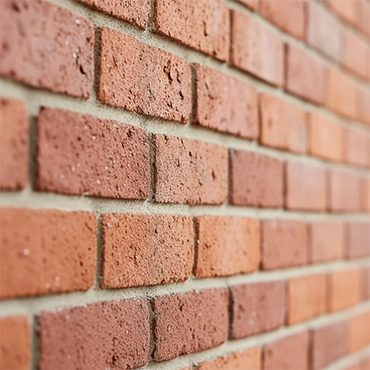
To understand why your home needs a specific type of coating, you must first view brick as a living network of microscopic pathways. Unlike vinyl or metal siding, brick is a naturally porous material, acting like a hard sponge. While it constantly absorbs moisture from the ground and the interior of your home, the most significant threat is direct exposure to heavy rain. In humid coastal environments, this moisture saturates the brick’s “capillary” system—small, straw-like pores that pull water deep into the wall. This is where breathability becomes a survival feature for your home. This moisture needs to escape as water vapor through a process called “diffusion.” When you apply a high-permeability paint, these vapors pass through the surface freely, keeping the structure dry.
However, if the pores are sealed with a non-breathable film, the water becomes trapped.

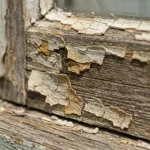
This leads to internal hydraulic pressure, which is simply the force of trapped water pushing against the paint from the inside. In coastal areas where humidity is high, this pressure is constant. During temperature fluctuations, this trapped water expands, causing “spalling”—a destructive cycle where the face of the brick literally pops off or turns into dust. Once the brick begins to crumble, the structural integrity of your home is compromised, leading to incredibly expensive restoration costs. At French Painting Company, our experienced our team evaluates the moisture levels of your masonry before recommending a solution. We ensure that the natural “wicking” property—the brick’s ability to move and release moisture—is preserved. By choosing a science-based exterior home painting approach, you protect your home from premature decay and avoid the pitfalls often discussed in painted surface care.
Comparing Coatings: Acrylic, Mineral, Elastomeric, and Oil-Based
Choosing the right finish for brick is a technical decision that determines the longevity of your walls. Standard acrylic paints are the most common choice for residential painting because they are affordable and easy to apply. However, most acrylics are film-forming coatings, meaning they create a thin, plastic-like layer over the brick. While they are water-resistant, their breathability is often limited. For those looking for the best long-term protection, mineral or silicate paints are the gold standard. Unlike other paints, mineral coatings do not sit on top of the surface; they create a permanent chemical bond with the brick through a process called petrification. This allows the masonry to remain fully breathable while providing extreme durability against the elements.
On the other end of the spectrum, elastomeric coatings are often marketed for their ability to bridge small cracks and provide a waterproof seal.
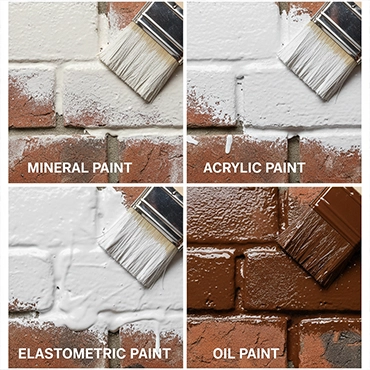
While this sounds beneficial, these coatings are incredibly thick and flexible, acting like a rubber wrap around your home. For brick, this is often a recipe for disaster, as any tiny breach in the coating can allow water in, which then has zero chance of evaporating, causing rapid internal decay. Similarly, oil-based or solvent-based paints are generally avoided for modern brick projects. They are brittle and do not expand or contract with the natural movement of the masonry. As temperatures shift, oil-based paints quickly crack and flake away. At French Painting Company, we believe that understanding these differences is key to managing your house painting costs effectively. By investing in the right coating now, you avoid expensive repairs and repainting in the future. Our commercial painting team also applies these same rigorous standards to larger structures to ensure maximum lifespan.
Beyond the Exterior: Guidelines for Painting Interior Brick
While the structural risks of trapped moisture are most severe on the outside of your home, painting interior brick requires its own set of specialized guidelines. Interior brick surfaces, such as accent walls, fireplaces, or exposed loft walls, add a unique industrial or rustic charm to a room. However, because brick is so absorbent, it can soak up standard interior paints unevenly, leading to a blotchy and “heavy” plastic appearance that hides the natural texture. For interior painting projects involving brick, we recommend using thin, breathable mineral-based stains or high-quality primers that allow the brick’s character to shine through while providing a durable finish. The primary concern indoors is maintaining the brick’s texture and ensuring that the coating does not emit high levels of VOCs (volatile organic compounds) in an enclosed space.
Choosing the right color for such a prominent feature can be overwhelming.

Since brick has a heavy visual weight, the shade you select will define the entire mood of the room. At French Painting Company, we help you bridge the gap between personality and design with our AI Color Match tool. Instead of just picking a random trend, our AI analyzes your personality through a few simple questions to suggest the perfect interior and exterior shades that truly resonate with you. This personalized approach ensures your home feels like a reflection of who you are. To learn more about our history and our commitment to serving the community with integrity, feel free to visit our about us page. By following the right technical guidelines and choosing colors that fit your character, your interior brick can become a stunning focal point that remains beautiful for decades.
Local Climate Impact: Managing Humidity in Hampton Roads
In the Hampton Roads region, the environment presents a unique set of challenges for masonry that many standard painting companies fail to address. Our coastal climate is defined by high humidity, salt-laden air, and frequent heavy rainfall, all of which put immense pressure on brick structures. Whether you own a historic home in Norfolk or a modern property in Virginia Beach, your exterior walls are constantly battling moisture. In cities like Chesapeake and Suffolk, where humidity levels often remain high throughout the year, bricks rarely have a chance to dry out completely if they are covered with non-breathable coatings. The salt spray common in Portsmouth and Virginia Beach further complicates this by attracting even more moisture into the brick’s pores through hygroscopic action.
As temperatures fluctuate in Newport News and Hampton, the trapped moisture inside the bricks undergoes stress cycles that can lead to rapid deterioration.

This is why local expertise is vital. At French Painting Company, we understand that a residential painting project in Virginia isn’t just about aesthetics; it is about weatherproofing for a humid subtropical climate. We analyze the specific environmental exposure of your property before selecting the appropriate breathable mineral or high-quality silicate finish. Our portfolio showcases numerous projects across the Seven Cities where we have successfully preserved the integrity of brick homes against the relentless coastal elements. By choosing a team that understands the local science of “rising damp” and humidity management, you ensure that your brickwork remains a durable asset rather than a maintenance liability. Protecting your investment starts with a professional evaluation that respects the local climate of the Hampton Roads area.
French Painting Company is proud to offer professional interior and exterior painting services in the entire Hampton Roads, VA region, serving the following cities: Virginia Beach, Chesapeake, Norfolk, Newport News, Hampton, Portsmouth, and Suffolk.
Conclusion
Preserving the beauty and structural health of your brick home is a delicate balance of science and craftsmanship. As we have explored, choosing the right coating is not just about aesthetics; it is about ensuring that your walls can breathe and resist the unique humidity of the Hampton Roads area. At French Painting Company, we take the guesswork out of the process. Our expert in-house painters provide the technical precision required for both residential painting and complex commercial painting projects. We are so confident in our methods and the quality of the breathable materials we use that we offer a One-year Transferable Warranty on our work, providing you with long-term peace of mind.
Don’t let the wrong paint compromise your investment. Whether you are looking to refresh your interior or protect your exterior facade, our team is ready to help.

We invite you to read our reviews to see how we have helped other homeowners across Virginia Beach, Norfolk, and beyond. Ready to start your transformation? Fill out our Free Painting Estimates Form today for a professional evaluation. Let us ensure your brick remains beautiful, breathable, and durable for years to come.
FAQs
While you can, it is not always recommended for long-term health. Regular latex or acrylic paints often form a non-porous film that traps moisture inside the brick. For the best results, our expert in-house painters suggest using mineral or highly breathable silicate paints to prevent peeling and structural decay.
When paint blocks the brick’s natural pores, moisture stays trapped behind the surface. During temperature changes, this trapped water expands, leading to “spalling”—where the face of the brick crumbles or pops off. This can lead to expensive repairs, which you can avoid by choosing the right residential painting specialist.
Yes. While interior brick is not exposed to heavy rain, it still needs to maintain its texture and handle indoor humidity. Using the right breathable stain or primer ensures the brick doesn’t look like “painted plastic.” You can use our AI Color Match tool to find the perfect shade for your interior accent walls.
Our region’s high humidity and salt air mean bricks are constantly absorbing moisture. In cities like Virginia Beach or Chesapeake, the salt can accelerate decay if the brick is “suffocated” by the wrong paint. Professional exterior home painting in our area must prioritize vapor permeability to ensure the walls dry out properly.