
About Exterior House Paint
The curb appeal of your property is often the first impression it makes, and that impression is directly tied to the condition of its exterior paint. When you invest in a fresh coat, you expect it to last, yet paint often begins to fade, peel, and fail sooner than anticipated. As the French Painting Company, a trusted provider of high-quality residential painting and commercial painting services across the Hampton Roads, VA area, we understand the specific environmental challenges our clients face. This article is your expert guide to understanding why paint degrades over time, detailing the factors that compromise a quality finish and the critical signs that professional attention is required. We take pride in delivering lasting results, as evidenced by our extensive portfolio of work. Understanding the fundamental causes of paint failure is the first step toward protecting your investment and ensuring your property maintains its beauty for years to come.

How Long Should Your Exterior Paint Job Really Last?
The answer to how long an exterior paint job should last is less a fixed number and more a spectrum defined by crucial variables: the quality of the paint, the material of the substrate, and—most importantly—the caliber of the preparation work. While a homeowner might hope for a lifetime warranty, the realistic expected lifespan for a quality coating on a typical wood or fiber cement siding is generally 5 to 10 years. However, an investment in premium products and professional application can extend this lifespan well beyond a decade, sometimes lasting 15 to 20 years on substrates like masonry or stucco.
Longevity is primarily determined before the first drop of paint is applied. If a surface is not meticulously cleaned, scraped, sanded, and primed correctly, the highest-grade paint in the world will fail prematurely.

Poor surface adhesion is the root cause of most early paint failures. This is why when the French Painting Company tackles any residential painting or commercial painting project, we adhere to strict standards, recognizing that the preparation stage is the true foundation of a lasting finish. We recommend reviewing our guide on Exterior Home Painting: Prepare Your House Like a Pro to understand the difference proper preparation makes.
The type of surface also dictates durability. Wood surfaces, particularly those that shift and expand with temperature changes, generally require recoating sooner than stable materials. By contrast, surfaces like vinyl or metal siding, when correctly prepared, can hold a finish for longer periods. Homeowners should view exterior painting not merely as an expense, but as a critical part of home maintenance. While the initial investment for a quality job is higher, the cost-per-year is dramatically lower when compared to a rushed, cheap job that requires repainting in just three or four years. For those budgeting their long-term home upkeep, understanding this value proposition is key, and we often discuss this trade-off in our articles on House Painting Costs 2025: Interior & Exterior. Ultimately, exceeding the minimum lifespan depends on fighting the next topic: the relentless environmental forces that seek to break the paint film down.
The Harsh Factors That Accelerate Paint Breakdown
Once a high-quality paint film is properly applied, its lifespan immediately becomes a battle against the elements. Exterior paint failure is rarely due to a single cause; instead, it’s the result of a relentless, multi-front assault by nature’s most destructive forces. Understanding these harsh factors is essential for selecting the right materials and timing your repainting project correctly.
The single greatest enemy of exterior paint is Ultraviolet (UV) Radiation from the sun. UV rays break down the chemical binders, or resins, in the paint film, causing the pigment to lose its color and the surface to become chalky. This process is known as fading and chalking. Darker colors absorb more heat and UV radiation, often accelerating this degradation process faster than lighter hues, a topic we cover in more detail in our guide on the Best Exterior Home Colors: A Guide to Choosing.

Aside from color choice, the paint’s finish also impacts durability; glossier and semi-gloss finishes typically contain more resin, offering superior resistance to moisture penetration and abrasion compared to flatter, matte finishes.
Next is moisture, which poses a two-pronged threat. First, water from rain, snow, or humidity can penetrate cracks or porous surfaces, weakening the adhesion between the paint and the substrate. This leads to blistering and peeling as the trapped moisture expands and contracts with temperature changes. Second, excessive humidity and persistent wetness create environments where mold, mildew, and algae thrive, staining the finish and further breaking down the paint film. This is a particularly crucial concern when dealing with specialized surfaces like Painting Exterior Metal Siding and Metal Roof, where rust and corrosion can add another layer of damage.
Finally, extreme temperature fluctuations put constant stress on the paint. As temperatures rise and fall, the underlying substrate (wood, stucco, siding) expands and contracts. The paint film must remain flexible enough to move with the substrate. Over time, this constant stress leads to cracking and checking, ultimately compromising the paint’s seal and allowing moisture penetration. Whether we’re tackling a large-scale project for a homeowner or providing services for Commercial painting clients, the correct material selection and application are vital to ensuring the coating can withstand these intense environmental pressures.
Nine Critical Signs Your House Needs Repainting Now
Waiting until paint is dramatically peeling or falling off in sheets is waiting too long. Early detection of paint failure allows for minor repairs and preventive maintenance, saving you significant costs down the line. Homeowners should regularly inspect their property for the following nine critical warning signs that the protective barrier has been breached and professional repainting is needed:
- Fading or Chalking: The color loses its vibrancy, or a fine, powdery substance appears on the surface. This is the UV radiation breaking down the paint binders.
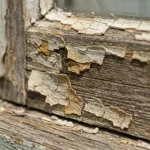
- Cracking and Flaking: The paint film splits and separates, often following the grain of the wood. This leaves the substrate exposed to water damage.
- Peeling: The paint lifts and curls away from the surface, a clear sign of poor adhesion, often due to moisture or inadequate surface preparation.
- Blistering: Bubbles form beneath the paint film, typically caused by liquid moisture or solvent trapped under the surface.
- Mildew and Mold: Dark, spotty growth appears, indicating persistent dampness that is consuming the paint film itself.
- Eroded Caulking: Deteriorated caulking around windows, doors, and seams allows water to penetrate the wall cavity, leading to serious structural issues and rapid paint failure from behind.
- Wood Rot and Damage: Once water penetrates cracks, the underlying wood can begin to rot. While painting won’t fix structural rot, it’s a huge sign that it’s time to call us for a full assessment, including possible Trim Replacement and Painting: A Comprehensive Guide before we apply a new coat.
- Stains and Discoloration: Rust stains from metal components or bleed-through from knots in the wood indicate the current paint system is failing to protect against these underlying issues.
- Persistent Drywall Issues (Interior): If you notice repeated interior problems, such as water stains or issues that need frequent Drywall Repair: From Small Holes to Big Fixes near exterior walls, it’s a strong indicator that the exterior paint is no longer watertight.

Ignoring these issues allows minor surface problems to rapidly escalate into expensive structural repairs. Addressing these warning signs promptly ensures your home maintains its integrity and is the best way to adhere to proper Painted Surface Care: Tips for Lasting Beauty. Timely maintenance is always the most economical strategy.
Protecting Your Virginia Home: Why Timely Repainting is Key
The degradation of exterior paint is an unavoidable fact of life, but it doesn’t have to lead to expensive structural damage. For homeowners and business owners in the Hampton Roads area, the decision to repaint promptly is a crucial act of property preservation. This is especially true given the unique and challenging climate of coastal Virginia. The combination of high humidity, salt air exposure in Virginia Beach and Norfolk, and the intense summer heat puts local buildings under constant stress. From the historic charm of a home in Portsmouth to the modern structures in Newport News, timely, professional painting is the best defense.
The value of timely repainting extends far beyond aesthetics. A fresh coat of paint acts as a sacrificial layer, absorbing the brunt of UV rays and repelling moisture, thereby protecting the underlying building materials from rot and decay.

When the protective film is compromised, water can enter and cause costly damage, turning a standard maintenance job into a significant repair project. Investing in a professional job is key because a quality contractor, like the French Painting Company, focuses on the meticulous preparation (which is half the battle) and uses high-performance products formulated for resilience in coastal climates.
When selecting a painting partner, you should look for expertise and reliability. We are not a collection of temporary subcontractors; we take pride in our commitment to using in-house painters, ensuring consistent quality and accountability on every job. We believe that by using a skilled, dedicated team, we deliver superior results that last longer. Our About Us page further explains our commitment to excellence. We aim to be a valuable resource for maintaining your property’s beauty and structural integrity. Take the opportunity to refresh your property’s look and protection today—it’s an investment that pays dividends for years to come. For more easy tips on maintaining your property, check out Refresh Painting: Easy Tips to Transform Your Home.
In Summary: Paint failure is a natural process driven by sun, moisture, and temperature. By recognizing the early signs of damage and investing in a quality, local service for your residential or commercial painting needs, you protect your home’s value and avoid costly repairs.
Areas We Serve: We proudly serve the Hampton Roads area, including the cities of Norfolk, Virginia Beach, Chesapeake, Hampton, Newport News, Portsmouth, and Suffolk.
Conclusion
Exterior paint failure is a homeowner’s reality, but it is one that can be managed effectively with knowledge and timely action. By understanding that factors like UV radiation and moisture are constantly working against your paint film, you can shift your mindset from reacting to damage to proactively preserving your property. The duration of your paint job is less about the product and more about the quality of the initial preparation, which dictates how well the coating can stand up to the elements in areas like Hampton Roads.
Ignoring the early warning signs—be it chalking, blistering, or peeling—is the most expensive mistake you can make, allowing minor issues to quickly escalate into serious structural repairs. If you notice any of the nine critical signs we discussed, it’s time to call in the experts. As the French Painting Company, we specialize in delivering lasting exterior painting solutions that are tailored to the challenging climate of coastal Virginia. We offer reliable, consistent service across Virginia Beach, Norfolk, Chesapeake, and the entire region. Don’t wait for your paint to fail; protect your investment today. Ready to restore your home’s curb appeal and defense? Contact us to discuss your next project!

FAQs
Not necessarily. While low-quality paint can certainly peel, the primary culprit is often poor surface preparation. If the surface wasn’t properly cleaned, scraped, or primed, the best paint in the world won’t adhere properly. Other causes include moisture penetration (from failed caulking or roofing issues) or the use of incompatible paint types. The most crucial factor in longevity is ensuring the substrate is clean and sound before starting the job, which is why we emphasize the detailed process required for all our residential painting projects.
For a small, isolated area, a DIY touch-up might seem appealing, but it can actually make the issue worse. Simply painting over peeling areas won’t address the underlying cause of failure, which is usually moisture or adhesion breakdown. Without proper scraping, sanding, priming, and blending, the touched-up area will often fail again quickly and look inconsistent. For long-term protection, it’s best to have a professional assess the cause and determine if the area requires a minor repair or a more comprehensive fix, such as those we perform prior to painting (see our guide on Drywall Repair: From Small Holes to Big Fixes).
Yes, significantly. Proper temperature and low humidity are critical for paint to cure correctly and achieve maximum adhesion. Painting when it’s too cold or too hot can lead to early failure like cracking or blistering. In the Hampton Roads area, we select the optimal weather window to ensure our products perform as designed. As part of our commitment to quality, we make sure our crews are fully trained in the precise techniques and best practices that ensure your finish is applied to last, which is why we rely on Why we use in-house painters and you should too?.
An accurate estimate should be based on more than just the square footage. It needs to account for the extent of surface preparation required (scraping, sanding, and repair), the quality and type of paint chosen, and the complexity of the architectural details. Because the labor involved in surface prep is the biggest factor, we offer detailed assessments that outline all necessary steps. For a clearer understanding of the costs involved, we invite you to review our comprehensive budgeting article: House Painting Costs 2025: Interior & Exterior.